Swine Flu & COVID: The Vaccine Mistakes Repeated

Swine Flu & COVID

Why This Isn’t Academic for Me

I don’t write about vaccine policy, medical ethics, or institutional failure from a place of abstraction. I write about it because these systems have touched—and ended—the lives of people in my family.

In 1976, my grandfather took the swine flu vaccine during the nationwide rollout. Two weeks later, he died. Like many families at the time, we were told it was coincidence, unfortunate timing, and ultimately unknowable. The vaccination program itself was later halted, but there was no meaningful reckoning for those already affected. The questions our family had were never answered—only deferred.

Nearly fifty years later, history felt impossible to ignore.

My father was living in a nursing home when he received multiple COVID vaccinations along with a flu shot. Within months, his health deteriorated rapidly. He developed serious nervous system and mobility issues, declined quickly, and died within six months.

As with my grandfather, there was no clear investigation, no transparent discussion of risk, and no institutional willingness to even entertain the possibility that medical intervention might have played a role. What we encountered instead was silence, procedural deflection, and a familiar insistence that correlation must not be discussed—let alone examined.

I am not claiming certainty. I am not claiming intent. I am not claiming that every adverse outcome is caused by vaccination.

What I am claiming is this:
When medical systems discourage questioning, shield themselves from liability, and treat uncertainty as a threat rather than a reality, families like mine are left without answers—twice, across two generations.

That is why the comparison between the 1976 swine flu vaccination program and the COVID response is not theoretical to me. It is lived history. It is personal loss repeated under different circumstances, by the same kinds of institutional failures.

Coronafraud.com exists because institutions rarely document their own mistakes honestly—especially when doing so carries legal, financial, or reputational risk. When that happens, memory fades, records are sanitized, and families are left to piece together what happened on their own.

This work is not driven by anger.

It is driven by responsibility—to remember, to question, and to insist that “public health” never again mean unaccountable power over private lives.

Introduction: Two Crises, One Institutional Pattern

Public health rarely gets a clean second chance. When it does, the expectation is that past failures inform future decisions. Yet the COVID vaccine rollout revealed something troubling: the lessons of the 1976 swine flu vaccination program were not just forgotten—they were structurally ignored.

In 1976, the U.S. rushed a nationwide vaccination campaign in response to a feared pandemic that never materialized. Adverse events emerged, public trust collapsed, and the program was halted. It was later studied as a textbook example of how panic, politics, and liability distortion can override scientific caution.

Nearly fifty years later, during COVID, the same institutional dynamics reappeared—this time globally, digitally amplified, and backed by unprecedented financial and political power.

This article examines how swine flu and COVID are connected not by biology, but by governance failure.

1. Pandemic Prediction vs. Pandemic Reality

The 1976 swine flu episode began at Fort Dix, where a novel influenza strain infected soldiers. One death triggered fears of a replay of the 1918 Spanish Flu.

Public health leaders chose preemption over observation.

COVID followed a similar arc:

  • Early models projected catastrophic outcomes

  • Worst-case scenarios dominated decision-making

  • Policy hardened before long-term data existed

In both cases, projection replaced proportion, and uncertainty was treated as unacceptable rather than inevitable.

2. Political Urgency as a Substitute for Scientific Restraint

In 1976, the vaccination program carried the direct backing of Gerald Ford. The political risk of being wrong was perceived as lower than the political risk of appearing inactive.

During COVID, the same calculus played out globally:

  • Speed became proof of leadership

  • Questioning timelines was framed as sabotage

  • Policy reversals were delayed to preserve authority

Public health shifted from risk management to reputational defense.

3. Liability Shields: The Incentive That Never Changed

One of the clearest parallels between swine flu and COVID is who carried the risk.

1976 Swine Flu

Manufacturers refused participation without immunity. The federal government absorbed liability. When injuries surfaced, taxpayers paid.

COVID

Pharmaceutical companies again received broad liability protection. Compensation systems were narrow, slow, and opaque.

This design flaw matters because immunity from consequences alters behavior. When downside risk is removed, speed and scale are rewarded over caution and transparency.

4. Adverse Events: Dismissal First, Acknowledgment Later

The 1976 program unraveled after increased cases of Guillain-Barré syndrome appeared among recipients. Initial responses downplayed the signal. Only sustained evidence forced action.

COVID followed a similar trajectory:

The problem was not that adverse events existed.
It was that institutions resisted seeing them.

5. Messaging Failure: Certainty Over Credibility

After swine flu, public confidence in health authorities suffered for decades. One reason was messaging that allowed no room for error.

COVID repeated that mistake:

  • Safe and effective” became an absolute claim

  • Uncertainty was treated as a threat

  • Policy changes eroded earlier assurances

History shows that overconfidence destroys trust faster than bad outcomes.

6. One-Size-Fits-All Policy, Twice

In 1976, vaccination was broadly recommended despite uneven risk.

During COVID, mandates extended to:

  • Young adults

  • Children

  • Previously infected individuals

Risk stratification came late, if at all. Public health favored compliance simplicity over biological nuance—a tradeoff that proved costly.

7. Dissent Was Managed, Not Integrated

Post-1976 reviews revealed internal disagreement that never meaningfully slowed the program.

During COVID, dissent moved into the open—and was actively suppressed. Doctors and researchers questioning mandates, timelines, or transparency were censored, deplatformed, or professionally sanctioned.

Healthy systems absorb criticism. Fragile ones silence it.

8. The Defining Difference: Knowing When to Stop

Here is where the two crises diverge sharply:

  • 1976: The vaccination program was halted once harm became undeniable.

  • COVID: Programs expanded—boosters, mandates, passports—even as risk profiles shifted.

That single difference explains why COVID remains unresolved socially, politically, and psychologically.

Stopping requires humility.
Expansion requires certainty.

9. Why the Lesson Was Lost

The swine flu failure should have reshaped public health permanently. It didn’t, because:

  • Institutional memory faded

  • Financial incentives grew

  • Media rewarded certainty

  • Bureaucracies optimized for scale

What was once a warning became a footnote.

10. Swine Flu Was the Dress Rehearsal. COVID Was the Main Event.

The 1976 swine flu vaccine program was not a conspiracy. Neither was COVID.

Both were system failures—driven by fear, insulated by liability shields, and protected by institutional defensiveness.

The tragedy is not that mistakes were made.
It’s that they were made again, despite a clear historical precedent.

If public health wants trust restored, it must do what it avoided in both eras:

  • Admit uncertainty

  • Accept accountability

  • Protect dissent

  • Learn publicly

Otherwise, the next crisis will look familiar—because the system that created it never changed.

Medical Corruption at Industrial Scale: COVID Vaccine Fallout

Introduction: A Question That Refuses to Go Away

Few questions provoke more anger—or more fear—than this one: Were the COVID vaccines genocide?
It’s a question increasingly asked not only by activists on the fringes, but by ordinary people who watched institutions contradict themselves, silence critics, and later revise “settled science.”  Did we not learn anything from the Swine Flu vaccine in 1976?  

The answer matters, because how we classify what happened during COVID determines whether the world learns from it—or repeats it.

This article does not argue that a secret cabal plotted mass extermination. It does argue that the COVID vaccine rollout exposed medical corruption at industrial scale—a convergence of corporate profit, regulatory capture, censorship, and moral failure that caused preventable harm and shattered public trust.

1. Genocide Requires Intent — Corruption Requires Opportunity

Under international law, genocide requires intent: a coordinated effort to destroy a population group.

There is no documented evidence that world governments or pharmaceutical companies organized mRNA vaccination campaigns with explicit intent to kill.

However, focusing solely on intent can be misleading.

History shows that catastrophic harm often results not from hatred, but from:

What occurred during COVID aligns far more closely with systemic corruption than with classic genocide—yet the human cost remains severe.

2. Regulatory Capture: When Watchdogs Become Partners

The modern pharmaceutical system depends on regulators acting independently. During COVID, that independence was widely questioned.

Agencies such as the FDA and CDC were tasked with evaluating products from corporations like Pfizer and Moderna—the same corporations receiving unprecedented public funding and liability shields.

Key concerns raised by critics included:

  • Emergency Use Authorization based on short trial windows

  • Delayed or redacted release of raw clinical trial data

  • Revolving doors between regulators and industry

  • Limited public debate over alternative risk-benefit profiles by age and sex

This dynamic is known as regulatory capture—when agencies serve industry interests as much as, or more than, public welfare.

3. Censorship and the Collapse of Scientific Debate

Science advances through disagreement. COVID policy advanced through enforcement.

Doctors, epidemiologists, and statisticians who questioned:

  • Mandates for low-risk populations

  • Natural immunity comparisons

  • Long-term safety surveillance

  • One-size-fits-all policies

were often labeled “misinformation” and removed from platforms, journals, or professional positions.

Social media companies worked directly with governments to suppress dissenting views—many of which later proved partially or fully correct.

This environment didn’t eliminate bad science.
It eliminated peer review in real time.

4. Post-Rollout Signals That Couldn’t Be Ignored

As mass vaccination campaigns expanded globally, new data emerged that deserved transparent analysis—yet often received dismissal instead.

a) Excess Mortality

Several countries reported all-cause mortality spikes that did not correlate neatly with COVID waves. While causation remains contested, the signals warranted open investigation rather than reflexive denial.

b) Cardiac Events

Myocarditis and pericarditis—particularly among young males—were eventually acknowledged by regulators after initial minimization. Risk levels remain debated, but the delay in acknowledgment eroded trust.

c) Reproductive and Menstrual Effects

Menstrual irregularities, fertility concerns, and pregnancy questions were initially brushed aside, then later recognized as real and statistically observable—though generally described as temporary.

d) Underreporting Systems

Systems like VAERS were publicly labeled unreliable while simultaneously serving as official safety monitoring tools—creating confusion and skepticism.

None of this proves malicious intent.
All of it proves institutional defensiveness.

5. Liability Shields and the Moral Hazard Problem

Pharmaceutical companies received:

  • Guaranteed government purchase contracts

  • Immunity from standard product liability lawsuits

  • Accelerated approval pathways

This created a moral hazard: massive upside with minimal downside.

When harm occurs in such systems, accountability becomes diffuse:

  • Companies blame regulators

  • Regulators cite emergency conditions

  • Politicians claim expert reliance

The result is a vacuum where no one is responsible—even when lives are lost.

6. Genocide vs. Crimes Against Humanity: A Moral Distinction

Calling the COVID vaccine rollout “genocide” may be legally inaccurate—but dismissing the outrage behind the word misses the point.

Under the spirit of post-World War II medical ethics, particularly the Nuremberg Code, several red flags emerged:

  • Coercion through mandates

  • Lack of long-term safety data

  • Suppression of informed consent discussion

  • Punishment of dissenting physicians

When populations are pressured into medical interventions under threat of job loss, travel bans, or social exclusion—without transparent risk disclosure—the moral line is crossed.

Not into genocide.
But into systemic ethical failure.

7. Why Trust Collapsed — and Why It Matters

Public health depends on credibility. Once lost, it is extraordinarily difficult to rebuild.

COVID taught millions of people that:

  • “Safe and effective” can change definitions

  • “Follow the science” can mean “follow authority”

  • Dissent can be punished even when evidence evolves

This erosion of trust now affects:

  • Childhood vaccination programs

  • Emergency preparedness

  • Future pandemic response

  • Faith in medical institutions overall

Ironically, the suppression meant to “protect confidence” destroyed it.

8. What Should Have Happened Instead

A non-corrupt response would have included:

  • Transparent release of trial and safety data

  • Age-stratified and risk-based recommendations

  • Protection—not punishment—of scientific dissent

  • Honest acknowledgment of uncertainty

  • Clear separation between regulators and industry

None of that required perfect foresight.
It required humility.

Conclusion: Not Genocide — But Something Almost as Dangerous

So, were the COVID vaccines genocide?

No—not by legal definition or proven intent.

But were they part of an unprecedented episode of medical corruption at industrial scale?

Yes.

When profit-driven institutions override transparency, suppress debate, and evade accountability—millions can be harmed without anyone ever saying “kill.”

History does not judge systems by their press releases.
It judges them by outcomes—and by whether lessons were learned.

If this moment is memory-holed instead of examined, the next crisis will not be safer.

It will simply be quieter—until it isn’t.

Subscribe to CoronaFraud.com All Access Map Bundle

How to Subscribe:
  1. Visit CoronaFraud.com to access detailed resources on fraud schemes and pandemic-related scams.
  2. Sign in using your Google account to instantly gain access to fraud maps, reports, and scam alerts.

Subscription Cost:

  • Enjoy a 7-day free trial, with no risk—cancel anytime through your Google Subscriptions account.

💥 All-Access Map Bundle: 22 Maps for $9.95/month (FREE 7-DAY TRIAL)

Syndicated Maps bundled subscriptions

Syndicated Maps has recently launched a value-packed bundled subscription that gives users access to all 22 of its niche maps for just $9.95 per month—a savings of over 50% compared to subscribing individually. This all-access plan was created in response to user demand for a more affordable way to explore multiple data layers across traffic enforcement, environmental hazards, wireless coverage, energy infrastructure, and public safety. Whether you're a researcher, commuter, traveler, or concerned homeowner, this bundle lets you seamlessly tap into detailed, location-based intelligence from across the entire network.

Each map serves a specific purpose—from helping drivers avoid speed traps to alerting families about nearby environmental hazards. The Syndicated Maps network has earned the trust of millions of users annually, including commuters, journalists, health professionals, and urban planners. 

Why Choose CoronaFraud.com?

Extensive Fraud Detection Resources: Our comprehensive database covers various pandemic-related fraud schemes, including phishing scams, fake testing sites, counterfeit medical supplies, and fraudulent relief funds. Stay informed and ahead of scammers with reliable information.

Real-Time Fraud Alerts: Receive up-to-the-minute updates on the latest fraud tactics and scam hotspots. Our platform is continuously updated by a network of users, ensuring the accuracy and relevance of the information.

Easy-to-Use Interface: Navigate the world of fraud prevention with our user-friendly maps and databases. Find scam hotspots, fraudulent businesses, and other suspicious activities near you with just a few clicks.

Customizable Features: Tailor your experience by setting fraud alerts, saving critical information on scams in your area, and customizing reports for specific fraud types. CoronaFraud.com makes fraud detection accessible and actionable.

Trusted by Communities and Experts: CoronaFraud.com is relied upon by fraud prevention experts, law enforcement, and community leaders. Designed with input from professionals in the field, our platform helps protect you from emerging threats during times of crisis.

Government-Created Disasters: A Century of Self-Inflicted Wounds

A century of self inflicted wounds

Introduction: When Power Turns Against the People

Over the past hundred years, humanity has faced war, disease, and economic collapse—but not all these catastrophes were acts of fate. Many were created, worsened, or prolonged by the very governments entrusted to prevent them. Behind every “crisis,” there often lies a chain of political missteps, corruption, and short-term decisions that caused far more damage than any natural disaster could.

This is a look at ten government-created disasters—each one a case study in how arrogance, bureaucracy, and ideology can turn leadership into liability.

Government created disasters

1. COVID-19 Pandemic (2020–2022)

The COVID-19 pandemic exposed the dangers of political dysfunction in real time. From conflicting public-health messages to chaotic vaccine rollouts, governments across the world failed to coordinate a unified response.

In the United States, early denial and partisan squabbling cost lives and livelihoods. Lockdowns were applied inconsistently; billions were misallocated; and misinformation spread faster than the virus itself. Small businesses collapsed, inflation spiked, and national trust in institutions plummeted.

More than 6.9 million people died globally, but the true toll went beyond mortality. The pandemic demonstrated how bureaucracy and politics could turn a medical emergency into a social and economic implosion.


2. The 2008 Financial Crisis

The 2008 meltdown was a man-made catastrophe fueled by decades of deregulation and government-backed speculation. Politicians encouraged subprime lending to expand homeownership, while Wall Street bundled bad debt into profitable illusions.

When the housing bubble burst, it wiped out trillions in global wealth. Millions lost jobs, homes, and savings, while those responsible were bailed out. The U.S. government rescued the same institutions that caused the collapse—rewarding recklessness and cementing the idea that some corporations were “too big to fail.”

The aftermath reshaped politics and widened the wealth gap for a generation.


3. The Vietnam War (1955–1975)

Born from Cold War paranoia, the Vietnam War was one of America’s most costly political blunders. Based on the “domino theory” and misinformation, U.S. leaders escalated a regional conflict into a full-scale war that claimed over 58,000 American lives and millions more Vietnamese.

Leaked Pentagon Papers later revealed that officials knew the war was unwinnable long before they admitted it. The result was a shattered nation, global distrust in U.S. leadership, and deep domestic division that lingers decades later.


4. The Iraq War and Weapons of Mass Destruction (2003–2011)

In 2003, the U.S. government invaded Iraq under the false pretense that Saddam Hussein possessed weapons of mass destruction. Intelligence was distorted, dissent was ignored, and the war became a geopolitical catastrophe.

The invasion toppled a dictator but destabilized an entire region, cost $2 trillion, and resulted in over 250,000 deaths. The power vacuum led directly to the rise of ISIS and the longest era of Middle East instability in modern history.

This disaster showed how misinformation and political hubris can create chaos lasting generations.


5. The 1970s Energy Crisis

The 1973 oil embargo exposed the consequences of decades of poor energy planning. U.S. policymakers had ignored warnings about dependence on foreign oil, allowing an embargo by OPEC to paralyze the economy.

Fuel shortages, mile-long gas lines, and double-digit inflation followed. Instead of long-term reform, leaders resorted to rationing and blame-shifting. The crisis cost over $1.5 trillion and reshaped global energy politics.

It wasn’t a natural supply problem—it was a political one, created by complacency and shortsighted energy policy.


6. Hurricane Katrina Response (2005)

Hurricane Katrina revealed how bureaucracy kills. The storm itself was a natural event, but the disaster that followed was the direct result of government failure.

Federal, state, and local officials ignored years of warnings about levee vulnerability. When the storm hit, coordination broke down completely. FEMA was slow, underfunded, and unprepared. Thousands were stranded for days in New Orleans, and over 1,200 people died.

The aftermath exposed racial and economic inequities, turning Katrina from a weather event into a moral indictment of America’s disaster-response system.


7. Repeated Government Shutdowns (1995 – 2025)

Few acts of self-sabotage better symbolize dysfunction than government shutdowns. Triggered by Congress’s failure to agree on budgets, these shutdowns paralyze federal agencies and punish the public for political stalemates.

During the 2025 shutdown, air travel was crippled, safety inspections halted, and thousands of workers went unpaid. It wasn’t about saving money—it was about power. Each side used the shutdown to score political points while the country suffered.

The cumulative cost of these shutdowns over the past three decades exceeds $90 billion, and the damage to public trust is immeasurable.


8. The Watergate Scandal (1972–1974)

President Richard Nixon’s abuse of power during Watergate remains one of the darkest stains on U.S. democracy. What began as a political break-in evolved into a full-blown constitutional crisis, exposing illegal surveillance, bribery, and obstruction of justice.

Nixon’s resignation in 1974 marked the first time a U.S. president was forced from office. Watergate didn’t just end a presidency—it ended Americans’ blind trust in government.

It proved that corruption, left unchecked, could nearly destroy the very system it governs.


9. The Challenger Space Shuttle Disaster (1986)

When the Challenger exploded seconds after liftoff, killing all seven crew members, the tragedy was immediately traced to managerial failure inside NASA. Engineers had warned that cold weather could compromise the shuttle’s O-rings, but leaders—pressured by politics and media expectations—launched anyway.

The subsequent investigation concluded it wasn’t a technical failure but a “failure of decision-making.” The government’s rush to maintain appearances overrode science and safety, turning innovation into tragedy.


10. The Tuskegee Syphilis Experiment (1932–1972)

Perhaps no event so starkly illustrates government cruelty as the Tuskegee Study. For 40 years, the U.S. Public Health Service intentionally withheld treatment from hundreds of African American men with syphilis, even after penicillin became available.

The victims were lied to, studied, and left to die—all in the name of “research.” When exposed, the scandal shocked the nation and permanently eroded trust between minority communities and public health institutions.

This dark chapter led to modern bioethics laws, but the damage to human dignity can never be undone.


The Cost of Mismanagement: A Century of Lessons

Disaster Years Estimated Deaths Economic Cost Core Government Failure
COVID-19 Pandemic 2020–2022 6.9 M $16 Trillion Poor coordination, political infighting
2008 Financial Crisis 2007–2009 8.7 M (job losses) $12 Trillion Deregulation, bailout bias
Vietnam War 1955–1975 5 M $4 Trillion Misinformation, political ego
Iraq War & WMDs 2003–2011 250,000 + $2 Trillion False intelligence, overreach
1970s Energy Crisis 1973–1980 200,000 + $1.5 Trillion Policy failure, dependency
Hurricane Katrina 2005 1,200 $108 Billion Incompetence, lack of coordination
Government Shutdowns Multiple Years N/A $90 Billion Partisan gridlock
Watergate Scandal 1972–1974 N/A $25 Billion Abuse of power
Challenger Disaster 1986 7 $1.1 Billion Bureaucratic denial
Tuskegee Experiment 1932–1972 N/A Unknown Ethical corruption

Conclusion: The Real Enemy Within

Every one of these events underscores a painful truth: government disasters are rarely accidents—they’re symptoms of arrogance, denial, and misplaced priorities. When leaders put politics above people, ideology above evidence, and ego above accountability, the result is tragedy.

From Tuskegee to COVID-19, from Vietnam to the financial crash, history repeats itself because politicians refuse to learn from the damage they cause. The lesson of the past century is clear: our greatest threats are not always external—they are self-inflicted wounds born of human power, pride, and neglect.

We're Fighting Against a System That Profits from Our Sickness

We're Fighting Against a System That Profits from Our Sickness
Modern healthcare is supposed to be about healing. But over time, it has morphed into something much darker — a corporate-controlled system that thrives when people remain unwell. Instead of prioritizing prevention, nutrition, and holistic wellness, the modern medical machine profits from endless treatments, expensive pharmaceuticals, and a culture of dependency.

As Albert Einstein once said, “Reality is merely an illusion, albeit a very persistent one.” The illusion here is that we are being treated and healed, when in fact, we are being kept in a cycle of sickness that generates billions in revenue for those in power.

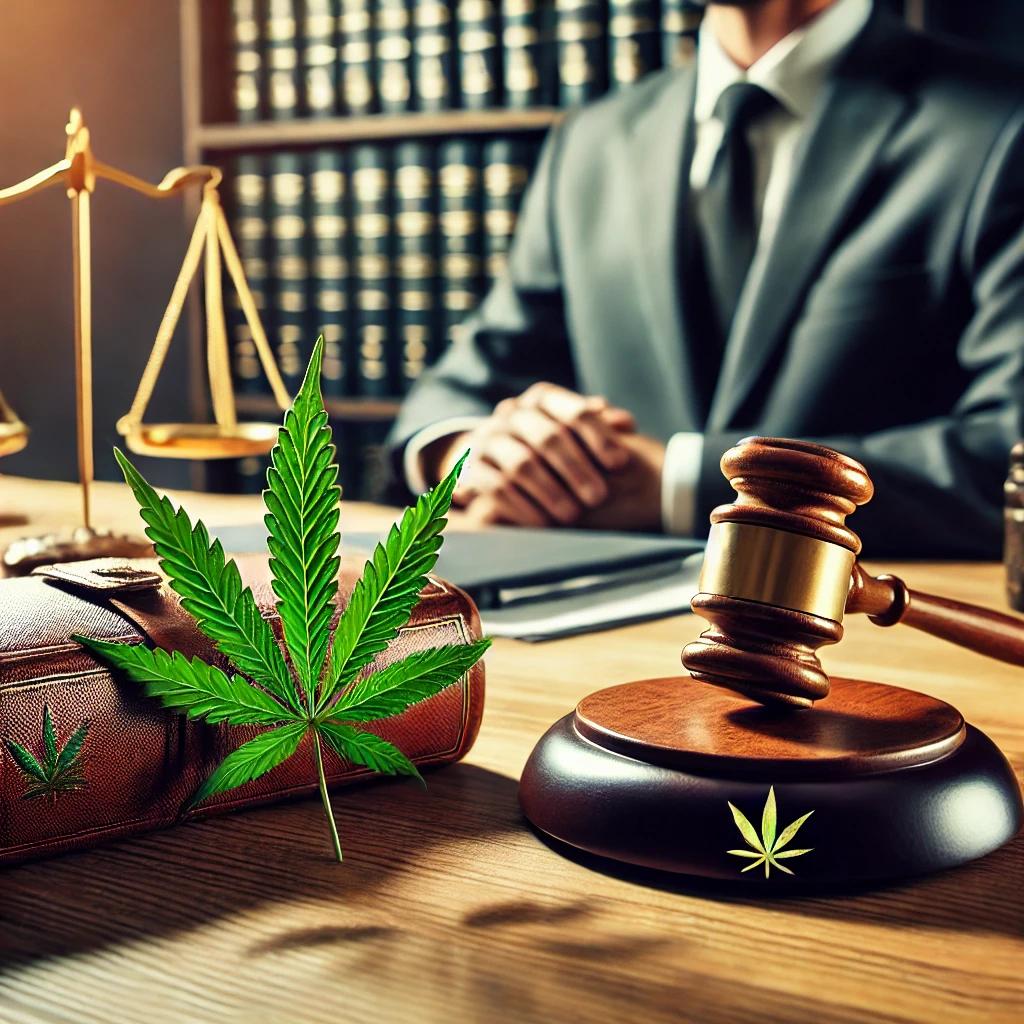
How Medical Cannabis Attorneys Help & How to Choose One

l

How Medical Cannabis Attorneys Assist and How to Choose the Right One

The legal landscape surrounding medical cannabis is evolving rapidly, creating complex challenges for patients, businesses, and healthcare professionals. While numerous states have enacted laws allowing medical cannabis use, federal regulations still categorize it as a controlled substance, leading to legal ambiguities. Whether you are a patient seeking legal protection, a business owner ensuring compliance, or a caregiver navigating regulatory requirements, experienced medical cannabis attorneys are essential for understanding and safeguarding your rights.

The Role of Medical Cannabis Attorneys

Professionals specializing in cannabis law assist clients in navigating the legal framework to ensure compliance and mitigate legal risks. Below are some of the key areas where legal counsel is beneficial:

Regulatory Compliance and Licensing

Each state that permits medical cannabis use has distinct regulations for obtaining and maintaining licenses. These rules govern the cultivation, sale, distribution, and prescription of cannabis. Legal experts guide businesses through licensing procedures, compliance with zoning laws, and health regulations, ensuring lawful operation.

Additionally, attorneys educate patients on the legal aspects of medical cannabis use, helping them avoid unintentional legal infractions. 

Patient Rights and Legal Protections

Medical cannabis patients often face challenges such as workplace drug testing policies, housing restrictions, and healthcare access concerns. Attorneys specializing in cannabis law help clients understand their rights and provide legal support in cases of discrimination or other legal disputes related to their medical cannabis use.

Key areas where legal counsel may be sought include:

Business Structuring and Compliance

Legal guidance is crucial for cannabis-related businesses to maintain compliance with state laws and industry regulations. Attorneys assist in selecting the appropriate business structure, such as an LLC, corporation, or partnership, and ensuring adherence to operational standards.

Legal professionals also aid businesses in drafting contracts, forming partnerships, and navigating financial regulations, including banking challenges and tax obligations.

Legal Defense and Advocacy

Despite state-level legalizations, individuals and businesses involved in medical cannabis may still face legal scrutiny. Misinterpretation of laws can result in legal action, including license revocations, fines, or business closures.

Medical cannabis attorneys provide defense strategies for issues such as:

  • Allegations of unauthorized possession, distribution, or cultivation.

  • Compliance disputes leading to license suspension or revocation.

  • Legal conflicts with regulatory agencies or law enforcement.

Selecting the Right Medical Cannabis Attorney

Choosing a knowledgeable and experienced attorney is essential for successfully navigating legal complexities. Key considerations include:

Expertise in Cannabis Law

Cannabis regulations are intricate and subject to frequent changes. It is crucial to work with an attorney who specializes in medical cannabis law rather than a generalist in business or criminal law.

Reputation and Track Record

Reviewing client testimonials, case outcomes, and professional references can provide insight into an attorney’s effectiveness. Look for legal professionals who have successfully handled cases similar to yours.

Communication and Transparency

A reliable attorney should clearly explain legal processes, offer realistic assessments of your case, and be upfront about costs and potential risks.

Knowledge of State and Federal Laws

Since medical cannabis laws differ across states and federal legislation remains a consideration, your attorney should have a comprehensive understanding of both state and federal regulations to provide accurate legal advice.

Why Legal Representation Matters

The medical cannabis industry is in a phase of continuous legal development, and laws governing its use and business operations are frequently updated. A knowledgeable attorney helps clients avoid legal pitfalls, protect their rights, and maintain compliance with applicable laws.

For those seeking legal guidance, consulting an attorney experienced in medical cannabis law can provide clarity and protection. Understanding cannabis regulations and ensuring compliance can safeguard both personal and business interests.

Conclusion

As medical cannabis laws continue to evolve, legal counsel in this field becomes increasingly essential. Whether you are a patient seeking protection, a business owner managing compliance, or an individual facing legal concerns, having a skilled attorney can make a significant difference. Proper legal support ensures you operate within legal boundaries while safeguarding your rights and interests.

Navigating medical cannabis-related legal matters with the right attorney can provide confidence and peace of mind, ensuring you stay informed and compliant in this dynamic legal landscape.

Popular Posts (All Time)

Topics

5G Activist ADE Advertising Air Quality Airlines Alchohol Alex Berenson Allergic Angry Moms Antibody Antitrust Apple Apps Arizona Aspirin Astra Zeneca Australia Bankruptcy Banks Banned Bars BBB Beaches Bell's Palsy Ben Shapiro Biden Big Pharma Big Tech Bill Gates BioNTech BitChute Black Rock Blackmail Blood Clots Booster Brave Brownstone Institute Bryan Ardis Business California Canada Cancer Candace Owens Cares Act CDC Censorship Chart ChatGPT Chicago Children China Class Action Clinical Trials Closures CNN Comirnaty Conspiracy Contact Tracing Corruption Cough COVAX Cover Up Crimes Against Humanity Cult Cuomo Dan Bongino DARPA Data David Martin Deaths DeSantis Diabetes Died Suddenly Disinformation Doctor Reiner Doctors DOJ Dominion Dr Michael Yeadon Dr Reiner Dr Shiva Dr Zelenko Drugs Durability DWAC ECDC Education Election Elon Musk Email Enforcement Europe Exemptions Extortion Facebook Fact Checkers Fake Laws Fake News Fake Tests Fake Vaccine False Positive Famotidine Fauci FBI FDA Fear Mongering Federal Reserve Feds Fines Florida Flu Flu Shots Fluvoxamine Fox France Fraud Free Speech Freedom FTC Gain of Function Research Gavin Newsom Genome George Soros Germany Glenn Beck Globalism Google Government Guillain-Barré Halloween Harvard Health Health Department Healthcare Heart Herd Immunity Hero HHS Hospitals How To Humor Hydroxychloroquine Hypocrisy Immune System India Inflamation Injured Insurance Investment IRS Israel Italy Ivermectin J&J Japan Jeff Bezos Jim Jordan Jobs Joe Rogan Judy Mikovits LA County Larry Elder Lawsuits Leadership Let Them Breathe Lies Loans Local Laws Lockdown Long Covid Los Angeles Mandates Map Masks Mass Hypnosis Media Medicaid Melatonin Mental Health Michigan Microsoft Minnesota Moderna Money Montana mRNA Mutation Myocarditis Nanoscience Nashville Natural Immunity NBA New Jersey New Media New York Nextstrain NFL NIH Nursing Homes NY NY Post Ohio Omicron Omricon Opinion Opposing View Oppression Outdoors Parks Passport Patents PCR Pennsylvania Pericarditis Peter McCullough Pfizer Phishing Physicians Declaration Placebo Plandemic Pneumonia Police Politics Poll Pollution PPP Prevention Pro Choice Project Veritas Protest Racism Rand Paul Real Estate Refuse Regeneron Relief Checks Remdesirvir Restaurants Restraining Order Robert Kennedy Robert Malone Ron Johnson Rudy Giuliani Rumble Russia Safegraph SBA Scams Schools Science Scott Gottlieb Senate Seniors Side Effects Sinus Social Distancing South Korea Spain Sports Stadiums Stakeholder Capitalism Stay at Home Sterilization Steve Kirsch Study Substance Abuse Surveillance Sweden Swine Flu Symptoms T Cells Taxes Teachers Technology Teslaphoresis Testing Texas Tips Tom Cotton Tony Bobulinski Transmission Tribunals Trojan Horse Trump TruthSocial Tucker Carlson Twitter Tyranny UK Unemployment United Nations Unity Project Vaccine VAERS Video Vietnam Vitamin D War Warren Buffett Washington WEF Whistleblower WHO Wisconsin Women Workers Comp Wuhan Zinc